Why Payment Rails Are the Moat of a Pakistani Marketplace
The real defensibility of a Pakistani digital marketplace is its payment rails — local methods in, global currency out, with local curation. Why global platforms can't easily replicate it.
 Why Payment Rails Are the Moat of a Pakistani Marketplace
It is a completely fair question, and investors ask it first: if a Pakistani digital marketplace gets real traction, what actually stops a global giant like Gumroad, Envato, or Whop from simply walking in and crushing it? The answer is one unglamorous word that quietly decides everything — rails. This article explains why payment rails, not storefronts, are the real moat of a local maker economy.
Storefronts are commoditised; rails aren't
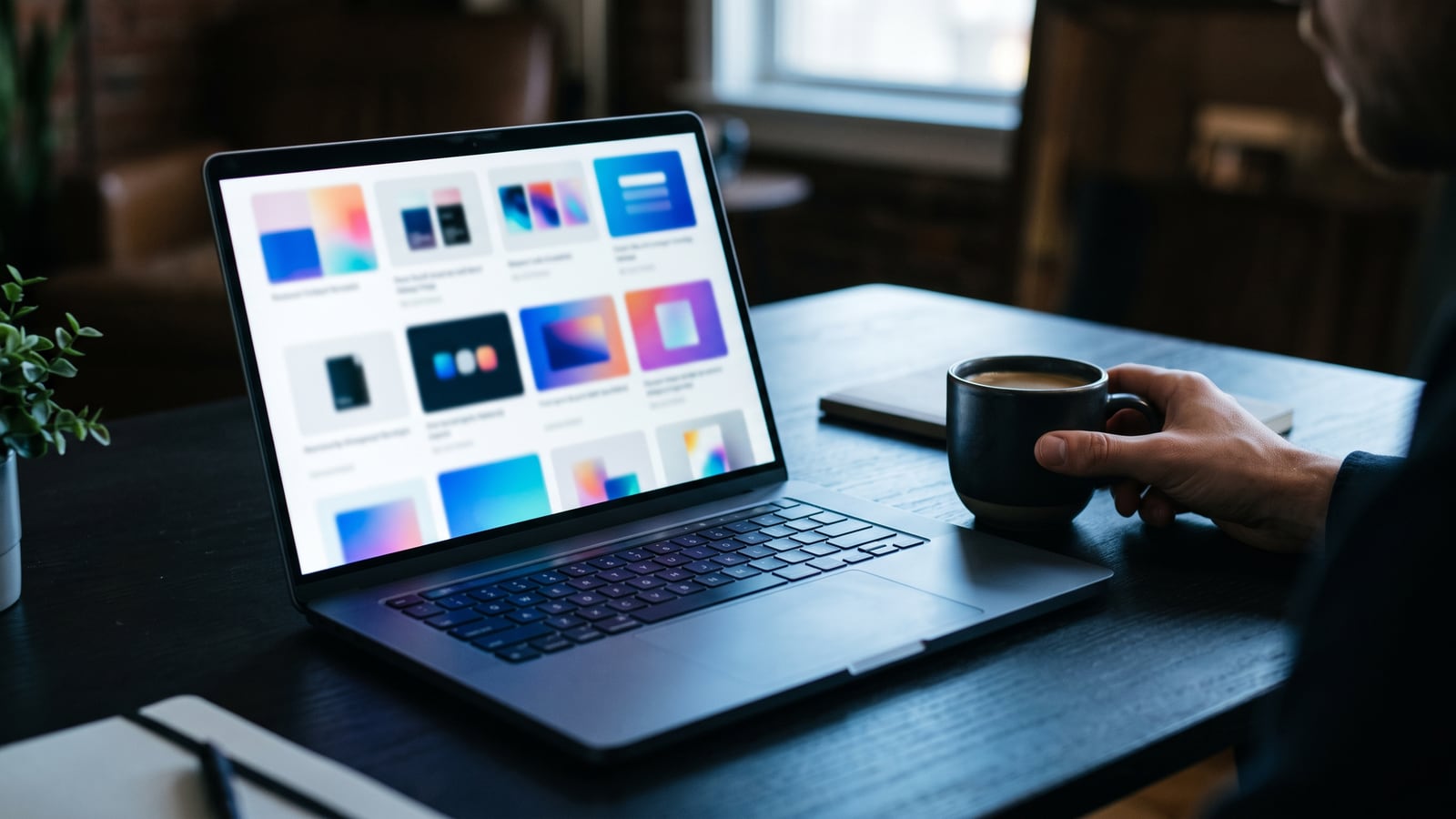
A storefront — product pages, search, a shopping cart, a checkout button — is, by now, essentially a solved problem. Anyone with reasonable resources can build a competent one, and many off-the-shelf tools will hand you one for free. So the storefront is simply not where defensibility lives. It is the visible part, which is exactly why it is the part that does not protect you.
The hard, defensible part of a maker economy is money movement: getting money in from buyers in the way buyers actually pay, and getting money out to sellers in the way sellers actually want to earn. That is rails, and rails are emphatically not commoditised in Pakistan. They are difficult, local, and deeply integrated — which is precisely what makes them a moat rather than a feature.
What buyers and sellers actually need
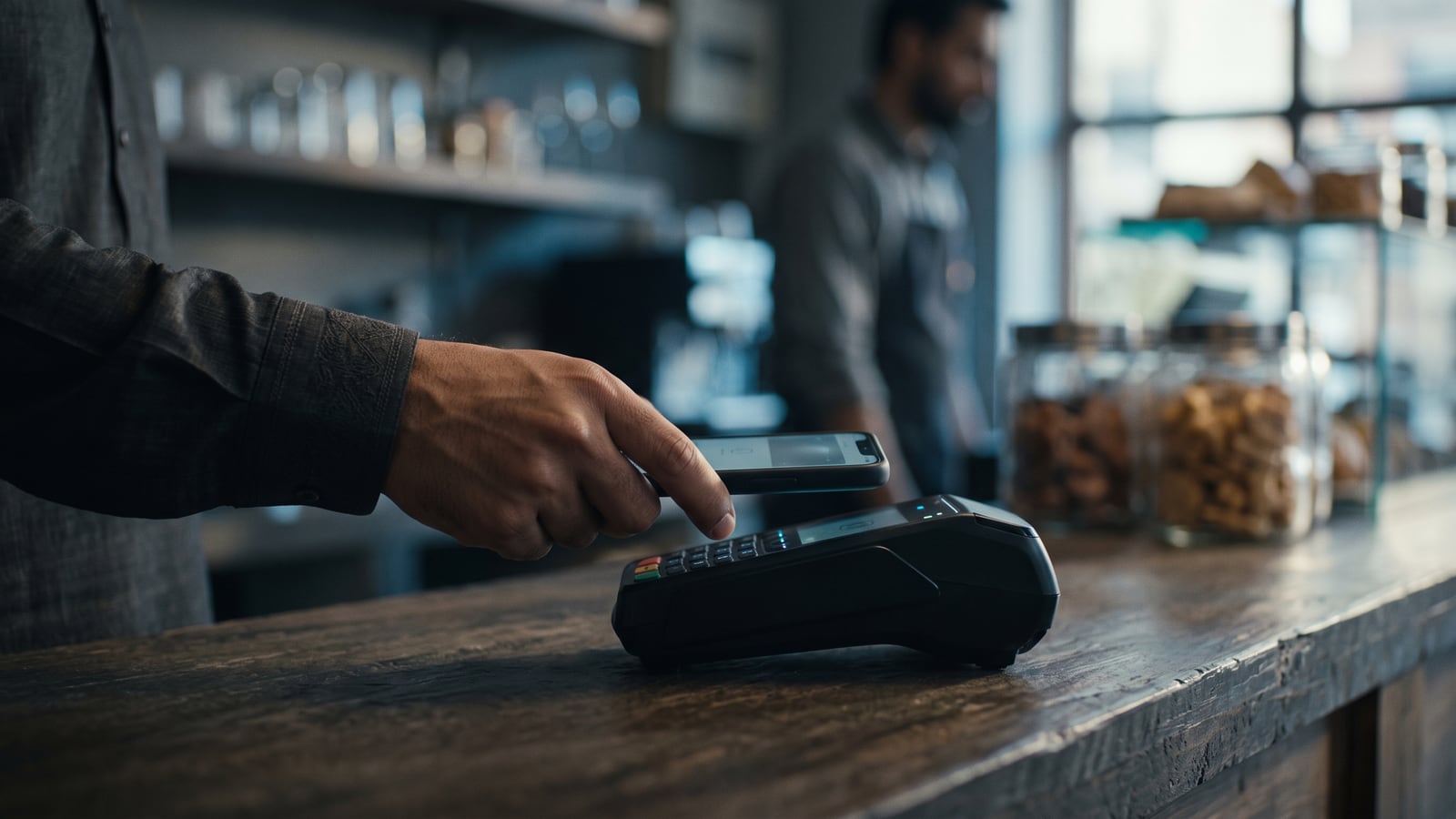
Look closely at what each side genuinely requires, because the requirements are specific and unforgiving. Pakistani buyers want to pay with JazzCash, Easypaisa, or bank transfer — the methods they already use every single day, not a foreign credit card many of them do not even hold. Friction at checkout does not annoy buyers; it loses them entirely.
Pakistani sellers, meanwhile, want to earn in global currency, reliably, so that their hard-won income is neither trapped behind conversion friction nor eroded on its way to them. And both sides want local trust and curation, so the marketplace feels legitimate rather than risky. Meeting all three of these needs at once, reliably, is the actual challenge — and it is much harder than building another storefront.
Why global platforms struggle locally
Global platforms are optimised, deeply and structurally, for cards and Western payment rails. That optimisation is a tremendous strength in their home markets and a genuine weakness in ours. The very thing that makes them efficient elsewhere makes them awkward here.
Replicating local payment infrastructure, plus PKR-to-global-currency earning, plus local curation — all together, reliably, at scale — is genuinely hard for an outsider, because it requires deep local integration and local trust that simply do not transfer from a card-first model built for a different market. Their global strength is exactly what slows them down on Pakistani soil. The moat is not that they cannot try; it is that trying well is much harder for them than it looks.
PKR-to-global earning as the unlock
The single most important unlock in this entire picture is this: a Pakistani maker earning global currency from Pakistani soil, paid through rails they already know and trust. That one capability turns local talent into global income without forcing anyone to emigrate, set up offshore accounts, or navigate a maze of conversion friction.
It is the difference between "I built something genuinely useful" and "I built something genuinely useful and got paid for it, reliably, in my own account, in currency that holds its value." That gap — between capability and captured income — is where most Pakistani talent loses out today, and closing it is the heart of the moat.
Local curation and trust
Rails are not only about the mechanics of payments; they are also about trust, which is itself a kind of rail. Local curation — vetting quality, surfacing genuinely useful products, protecting buyers from junk — is what keeps a marketplace from decaying into a low-trust dump where nobody wants to buy or sell.
Trust is the invisible rail that makes both buyers and sellers willing to transact in the first place. Building it locally, with genuine local context and local accountability, is another advantage that outsiders cannot simply import along with their software. You cannot ship trust in a code deployment; it has to be built where the market is.
The open lane and how to enter it
Here is the strategic reality, stated plainly: there is no dominant local digital-product marketplace yet. The lane is open, the rails are the moat, and — as in every marketplace — early sellers compound the most as the platform grows around them and competition is still thin.
If you are a Pakistani maker, building where the rails actually run, and planting your flag while the grid is still filling, is one of the clearest first-mover opportunities currently available. The infrastructure that protects the marketplace also protects the early sellers inside it. Become a seller where the rails run, while the running is still easy.
Key takeaways
- Storefronts are commoditised; payment rails are the real moat.
- Buyers want local methods; sellers want reliable global-currency earning; both want trust and curation.
- Global platforms are built for cards and Western rails, which makes local replication hard.
- The local lane is open, and early sellers compound the most.
Frequently asked questions
Why can't a global platform just win locally? Replicating local rails, PKR-to-global earning, and local curation together is genuinely hard for an outsider.
What is the seller's biggest advantage? Earning global currency from Pakistan through rails buyers already trust.
Disclaimer: Education and software only. Figures and examples are illustrative, not guarantees of any result.
About Digital Silk Route
Digital Silk Route (DSR) is one ecosystem where Pakistani builders can learn, build, sell, and earn globally — a practitioner-led academy, a maker marketplace with local payment rails and global-currency earning, and an AI automation studio that funds the engine and feeds real case studies back into the classroom. Learn. Build. Sell. Earn globally — one ecosystem.
- 🌐 Website: digitalsilkroute.com
- 📱 Instagram: @digitalsilkroute
- ▶️ YouTube: Digital Silk Route
- 💬 WhatsApp: +92 301 9551794
Your next step: Become a seller where the rails run → https://digitalsilkroute.com/become-a-seller
Pakistan-born, globally competitive. Building pathways, not just products.