The Pakistani Maker's Playbook: Your First Digital Product Sale
A step-by-step playbook for Pakistani makers to package and sell their first digital product — templates, AI agents and scripts — with local payment rails and global-currency earning.
 The Pakistani Maker's Playbook: Your First Digital Product Sale
There is a stubborn myth that selling digital products requires a big audience — a hundred thousand followers, a newsletter empire, a polished personal brand. It does not. It requires one genuinely useful product and a marketplace that handles the hard parts for you. This is the playbook for your first sale, written for Pakistani makers who already have the skills and just need the path laid out plainly.
You don't need a big audience
An audience helps, but it is not the gate, and treating it as one keeps capable people waiting for a following they may never build. Most successful marketplace sellers did not start famous; they started useful. A buyer searching for a solution does not care how many followers you have — they care whether your product solves their problem and whether they can trust the transaction enough to pay.
A good marketplace supplies exactly the two things a small maker lacks: traffic from buyers who are already looking, and trust through curation and secure payments. That means a maker with no audience but a strong product can win on the only thing that ultimately matters — usefulness.
Step 1 — Choose what you've already built
Do not begin by building something new; that is the slowest possible start. Begin by looking honestly at what you have already made — a template, an AI agent, a script, a Notion or spreadsheet system, a boilerplate you reuse on every project. The work is done; it is sitting in a folder right now, earning nothing.
Your first product should be the thing that already exists and that you know solves a real problem, because you originally built it to solve one for yourself or a client. Familiarity is an advantage here: you understand its edges, its setup, and the person it helps. That understanding makes the packaging faster and the product better.
Step 2 — Package it well
Packaging is where most of the value is added, and it is far faster than building. A good package has a clean README that explains what the product does and exactly who it is for, a short demo that shows it working in under two minutes, sensible defaults so it functions out of the box, and a fair price.
You are not writing significant new code at this stage. You are making existing value easy to discover, easy to trust, and easy to use. A brilliant tool with a confusing setup will not sell; a good tool with a clear README and a demo will. Spend your effort on the wrapper, because the buyer experiences the wrapper first.
Step 3 — List once, sell many times
This is the entire shift in business model, and it is worth pausing on. A client project is sold exactly once, for a fixed sum, and then it is over. A product is listed once and sold repeatedly — while you sleep, while you work on the next thing, at essentially no additional effort per sale.
The same hours that produced a single deliverable now produce ongoing income. List it, and then resist the powerful urge to keep tweaking it before anyone has bought it. Ship it, let it gather its first few sales and reviews, and improve it based on what real buyers actually say rather than what you imagine they want.
Step 4 — Getting paid: local rails, global currency
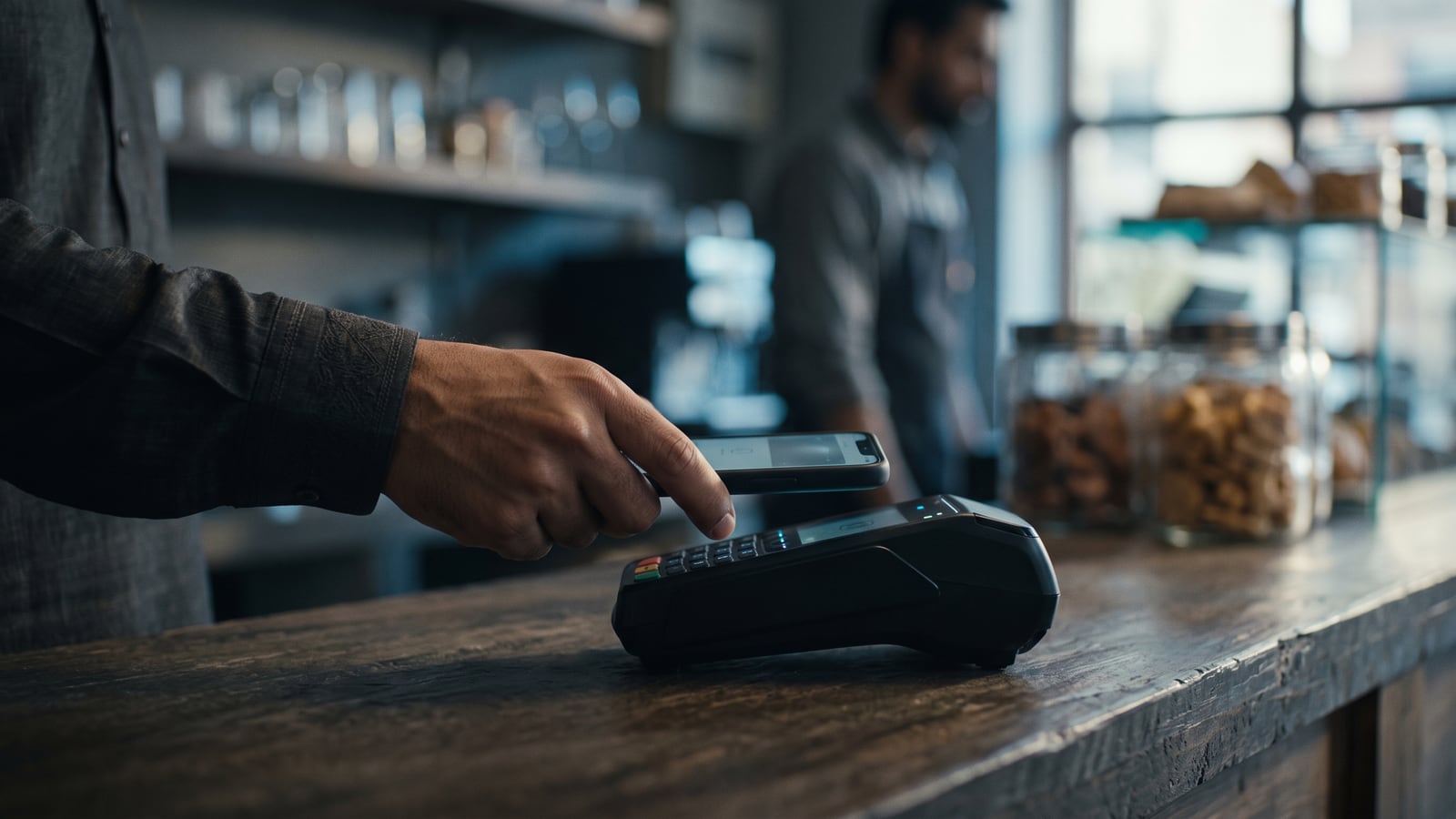
Here is the part built specifically for Pakistani makers, and it is the part global platforms handle worst. Buyers can pay through local rails — JazzCash, Easypaisa, bank transfer — using the methods they already trust and use daily. And you, the seller, can earn in global currency, from your desk in Pakistan, without the friction that usually stands between local talent and international income.
This combination is exactly what generic global platforms struggle to offer locally, and it is what turns "an old project" into real, reliable income. The money moves the way both sides actually want it to move, which is the quiet thing that makes everything else possible.
Why early sellers win the grid
Marketplaces reward the early, and they reward them structurally rather than sentimentally. Sellers who list while the catalogue is still filling accumulate reviews, search ranking, and visibility that later arrivals must fight much harder to earn. By the time a marketplace is crowded, the early movers already occupy the positions everyone else now competes for.
There is no dominant local digital-product marketplace yet, which means the grid is still genuinely open. The makers who plant their flag now compound the most as the marketplace grows around them — a first-mover advantage that, in marketplaces specifically, tends to be unusually durable.
List your first product
Keep it simple, and keep it real. Pick the product you already have. Package it cleanly with a README and a demo. Price it fairly — not so low it signals junk, not so high it never sells. List it, share it once with your network, and let it sell. Then do it again with the next one, a little better each time.
You do not need to be famous. You need to be useful, and you need to be early. Both of those are entirely within your reach today, sitting in that folder of "old projects" you keep meaning to do something with.
Key takeaways
- You do not need a big audience — you need one useful product and a marketplace that handles trust and payments.
- Start with something you have already built, then package it well.
- List once, sell many times; get paid via local rails while earning global currency.
- Early sellers accumulate reviews and ranking while the grid is still filling.
Frequently asked questions
What sells well? Templates, AI tools and agents, scripts, APIs, micro-SaaS, and systems that encode your expertise.
How do I get paid in Pakistan? Buyers use local rails (JazzCash, Easypaisa, bank transfer) and you earn in global currency.
Disclaimer: Education and software only. Figures and examples are illustrative, not guarantees of any result.
About Digital Silk Route
Digital Silk Route (DSR) is one ecosystem where Pakistani builders can learn, build, sell, and earn globally — a practitioner-led academy, a maker marketplace with local payment rails and global-currency earning, and an AI automation studio that funds the engine and feeds real case studies back into the classroom. Learn. Build. Sell. Earn globally — one ecosystem.
- 🌐 Website: digitalsilkroute.com
- 📱 Instagram: @digitalsilkroute
- ▶️ YouTube: Digital Silk Route
- 💬 WhatsApp: +92 301 9551794
Your next step: Become a seller and list your first product → https://digitalsilkroute.com/become-a-seller
Pakistan-born, globally competitive. Building pathways, not just products.